THE ZIMBABWE ELECTORAL COMMISSION SCANDAL: A TALE OF LOOTING AND OPPRESSION
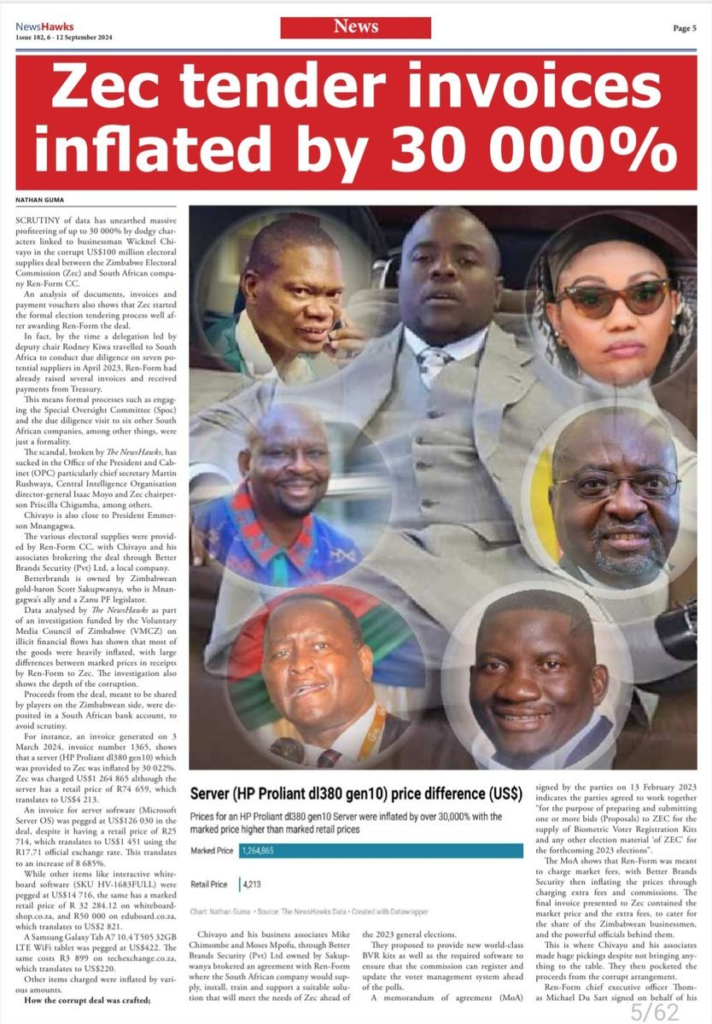
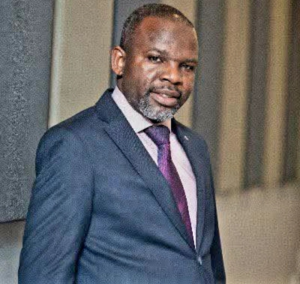
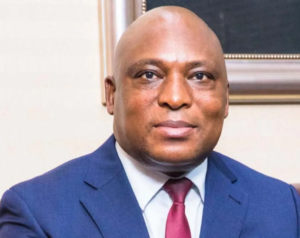
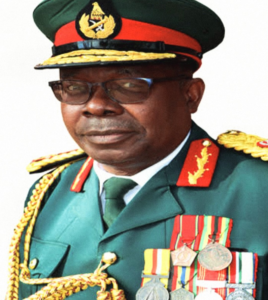
One of the biggest scandals in Zimbabwe’s recent history is the US$100 million Zimbabwe Electoral Commission (ZEC) scandal. This scandal involves Wicknell Chivhayo, Mike Chimombe, Moses Mpofu, and other top government officials. Chivhayo, Chimombe, and Mpofu are now detained on two different corruption cases. Many see this as one of the largest cases of public funds being stolen in Zimbabwe’s history.
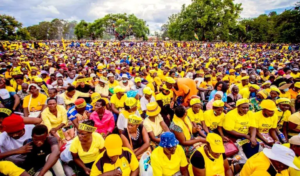
As the country prepares for upcoming elections, there is another troubling situation. Zimbabwe’s ruling party, ZANU PF, is silencing political opponents and limiting freedom. This is a very disturbing trend, and many people are worried about the future of democracy in Zimbabwe. Two prominent opposition figures, Job Sikhala and Jacob Harivhume, have been the latest victims of this. They have been arrested and detained for speaking out against the government. This is raising serious concerns about the state of human rights in the country.
Job Sikhala is a well-known figure in Zimbabwe’s opposition. He is a senior member of the Citizens Coalition for Change (CCC) party and has been critical of the ZANU PF government for years. Sikhala is admired by many Zimbabweans because of his strong belief in democracy and justice. He has been a loud voice in calling for change in the country. However, instead of talking to him and allowing different political ideas, the government has chosen to imprison him. The charges against him are questionable and many believe they are just a way to silence him.
Similarly, Jacob Harivhume, the leader of the Transform Zimbabwe party, has also been detained by authorities. Harivhume leads a smaller party, but his voice for political reform and the rights of Zimbabweans has been clear. The government is trying to send a message to other opposition members by detaining him. The message is clear: do not challenge ZANU PF.
The arrest of Sikhala and Harivhume is not an isolated event. It is part of a larger pattern of oppression by the government. For a long time, human rights organizations have said that Zimbabwe does not have enough freedom of speech, press, or assembly. The arrests of these two opposition leaders show that the government is becoming more intolerant of different opinions.
These arrests are happening just before the elections, which is worrying. Elections are important because they allow people to choose their leaders and make their voices heard. But when opposition leaders are put in jail for no good reason, the fairness of the election is questioned. This makes people doubt whether the elections will truly be free and fair. If the opposition cannot compete fairly, the elections lose their credibility.
It is important for the international community to notice what is happening in Zimbabwe. Countries around the world should put pressure on the Zimbabwean government to respect the rights of its people. Diplomatic channels like sanctions and official condemnation can help send a message that the world is watching and that there are consequences for violating human rights.
At the same time, civil society organizations in Zimbabwe and other countries should come together and fight for justice. They can raise awareness through media, organize peaceful protests, and offer legal support to people like Sikhala and Harivhume. By working together, citizens and the international community can help stop these injustices and push for change.
Zimbabwe has the potential to become a strong democracy where freedom, justice, and equality are upheld. But for this to happen, there needs to be open dialogue, respect for human rights, and the inclusion of different political voices. ZANU PF’s actions are preventing this progress, and their treatment of political opponents is hurting the future of the country. Now is the time for change, and the people of Zimbabwe need the world to stand with them and demand a fair, free society for everyone.
The arrests of Sikhala and Harivhume are a reminder that the fight for democracy in Zimbabwe is far from over. It is up to Zimbabweans and the international community to ensure that the country moves towards a brighter, more democratic future.